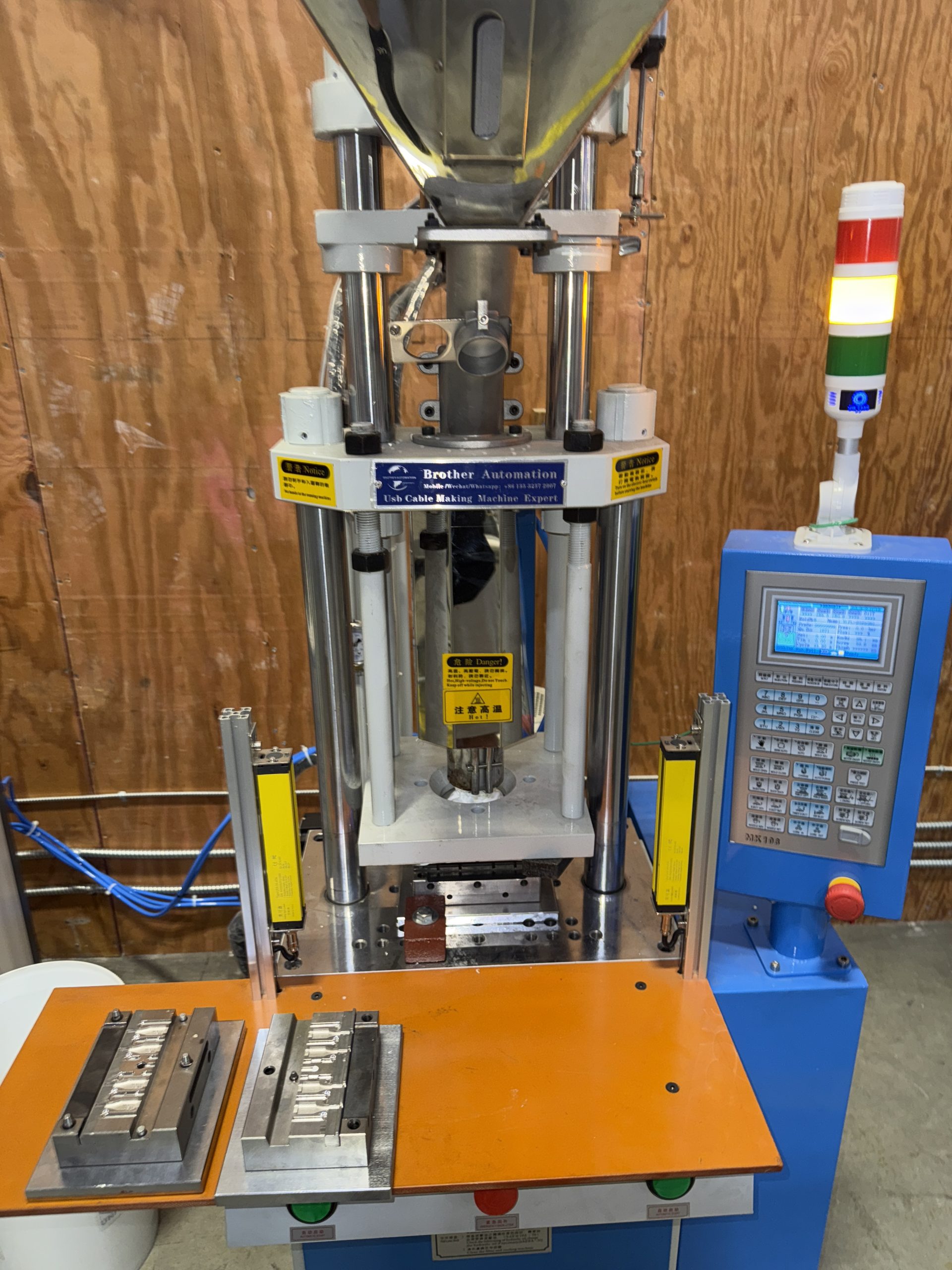
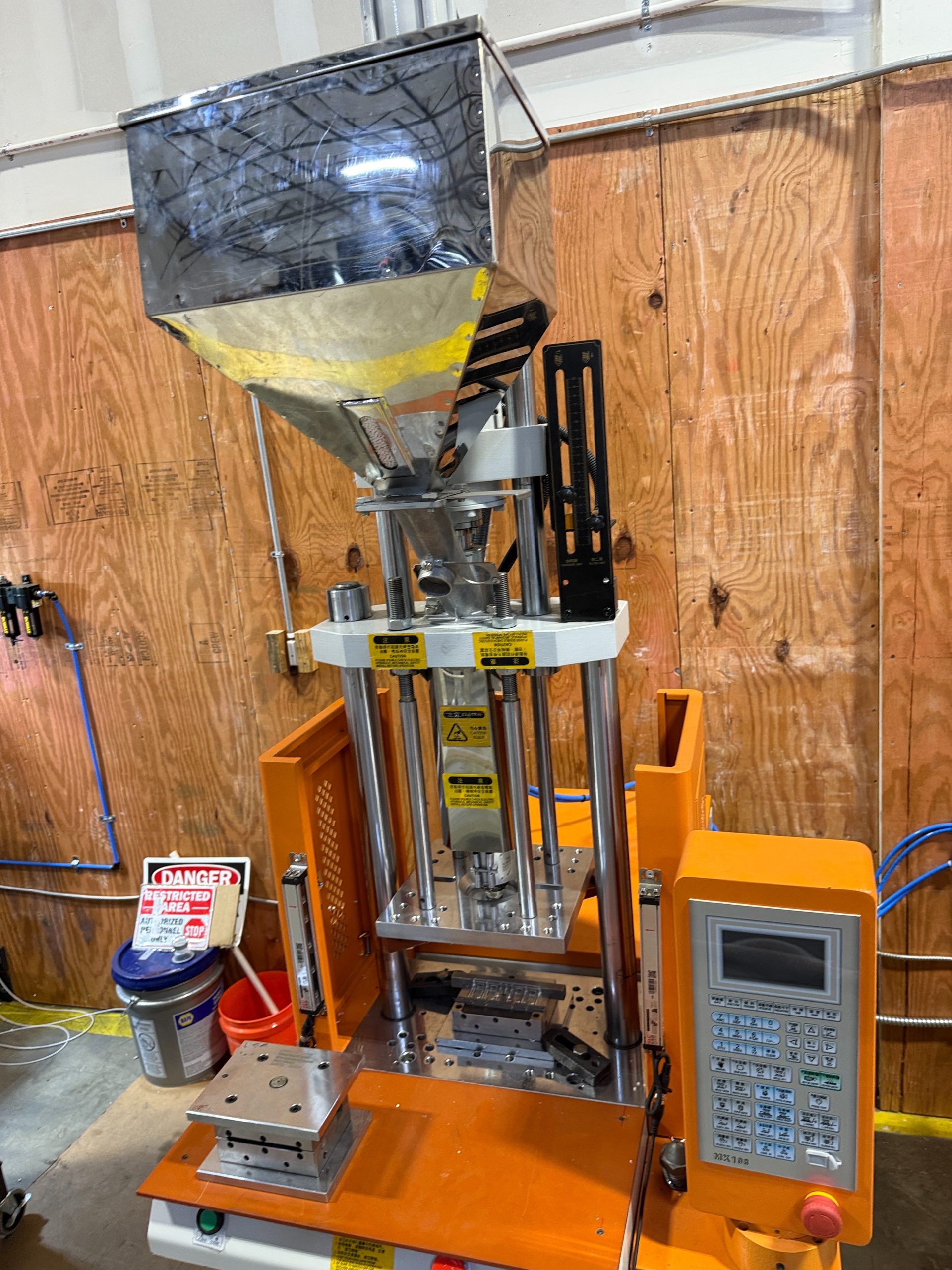
Most people use a charging cable every single day without ever wondering how it is made. The truth is that a single cable passes through a long chain of precise, demanding steps before it ever reaches your hand — and every one of those steps now happens right here in the United States.
On this page we walk you through that journey from beginning to end. We will be adding photos and video from our own factory floor as we go, so you can see exactly how a Spearhead cable comes to life.
Consider this an open invitation to look behind the curtain. This is American manufacturing, step by step.
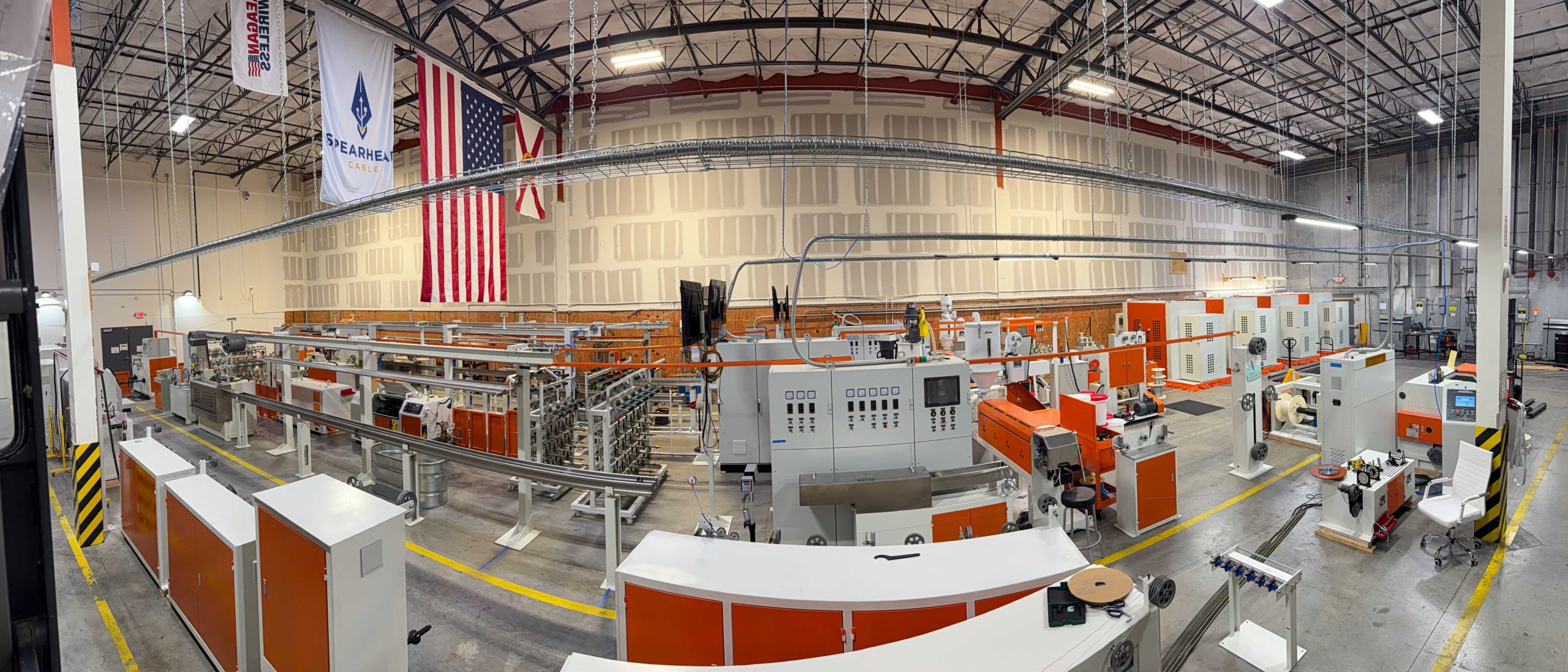
Every cable begins as a handful of raw materials. Before a single machine runs, these are the building blocks we start with:
- Copper wire — the conductor that carries power and data.
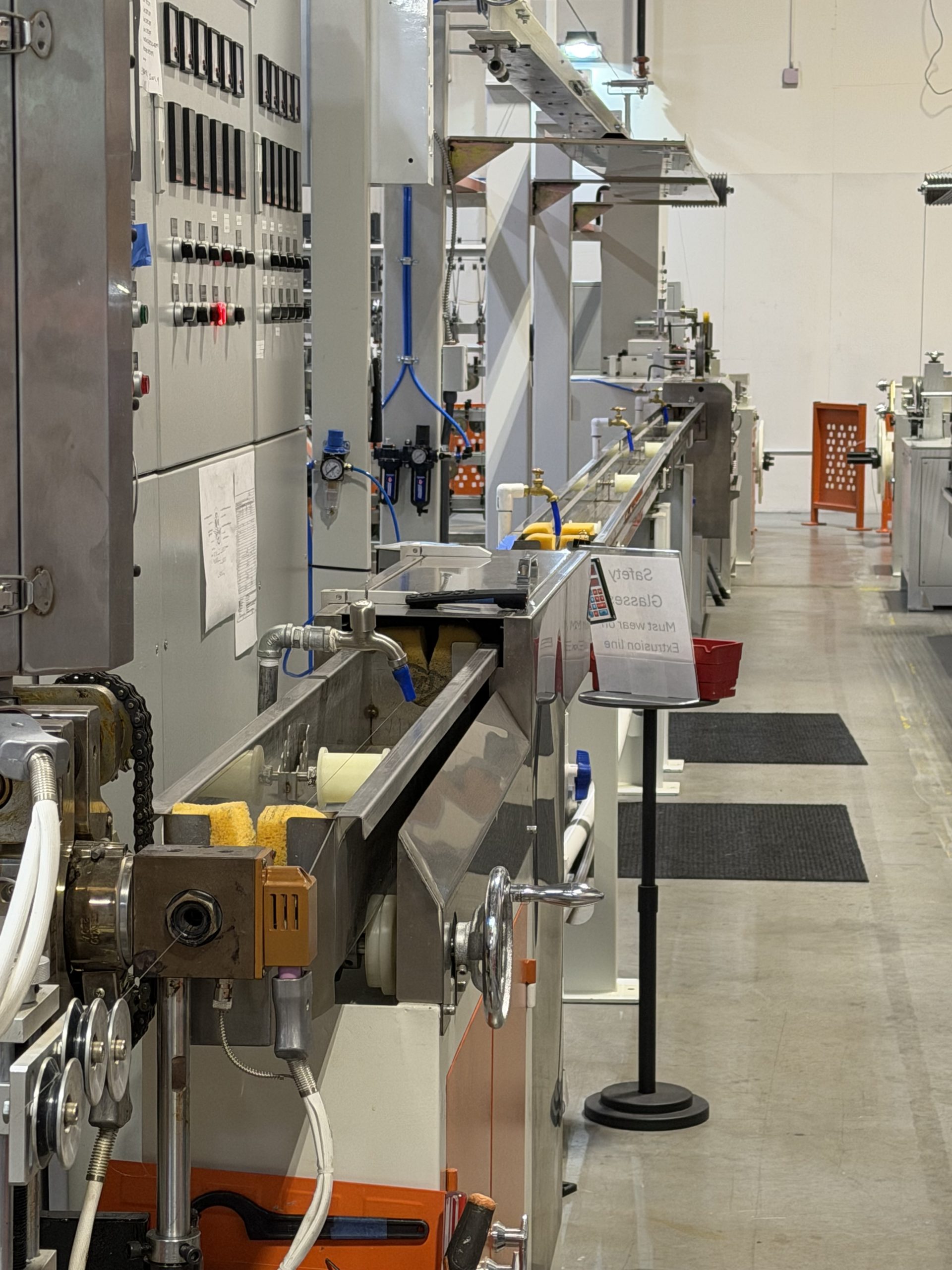
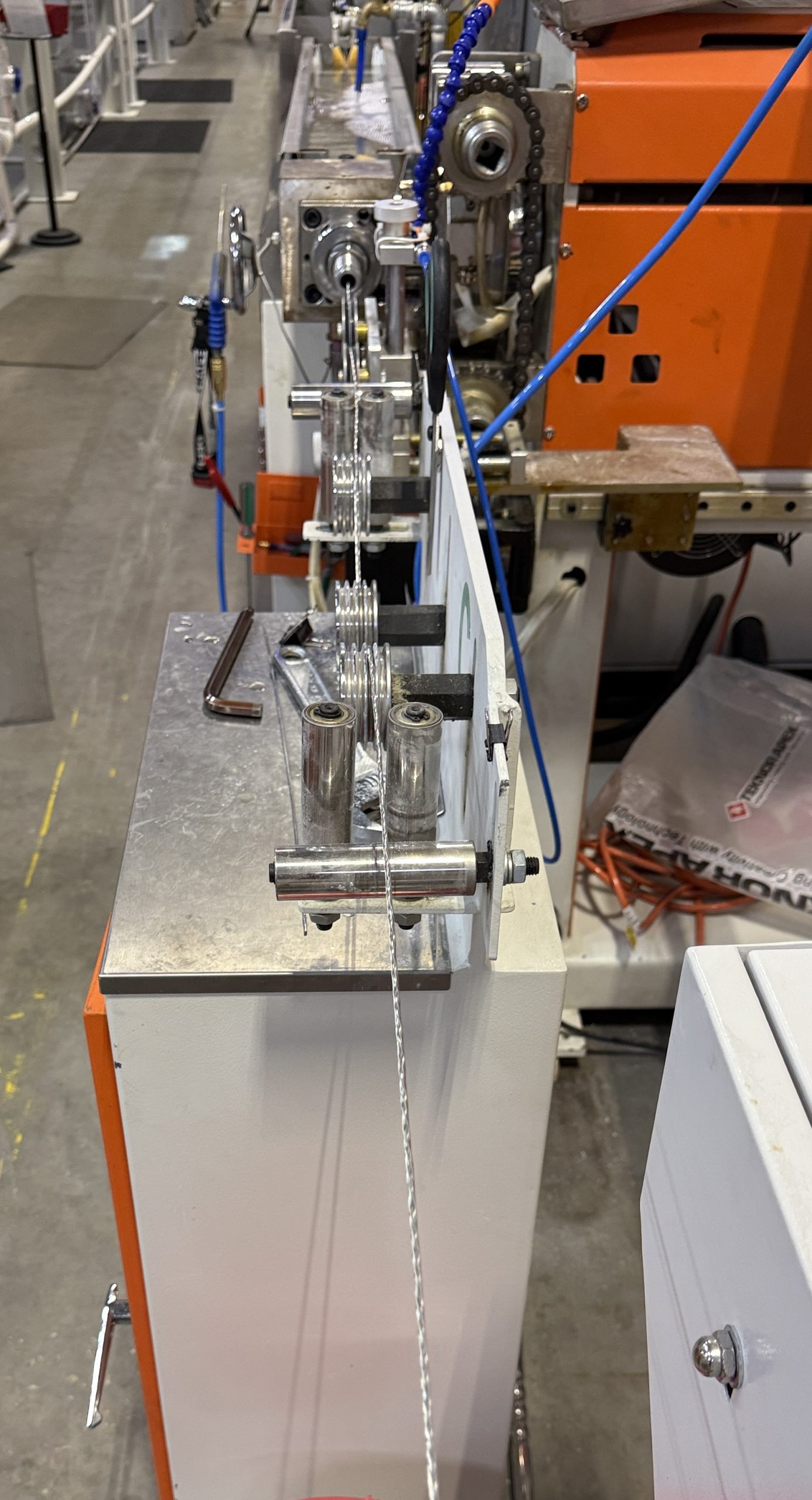
- Plastic for the wire jackets, fed through the extrusion line.
- Strengthening material (Kevlar) — for durability and pull resistance.
- RF shielding — to protect signal integrity.
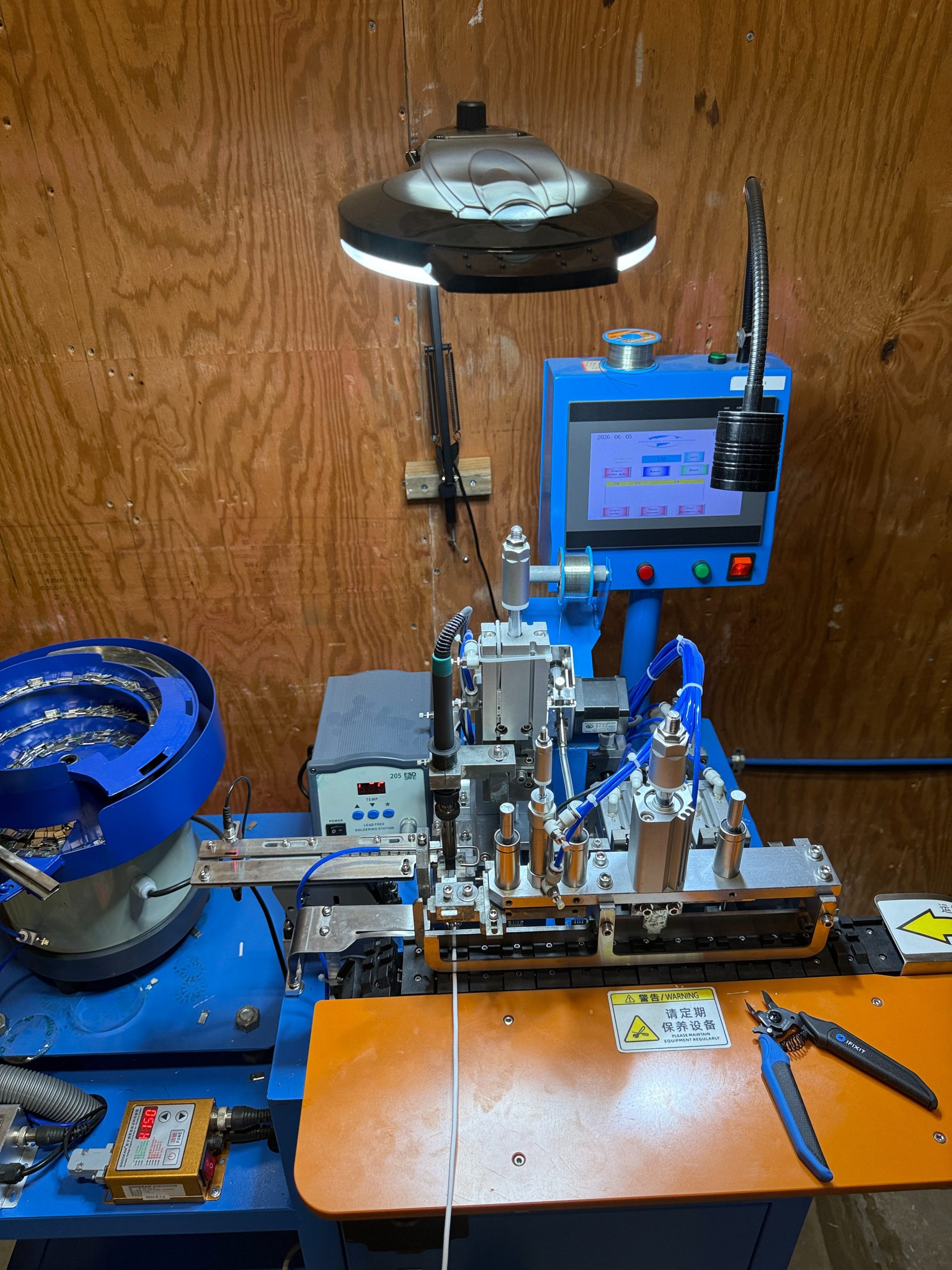
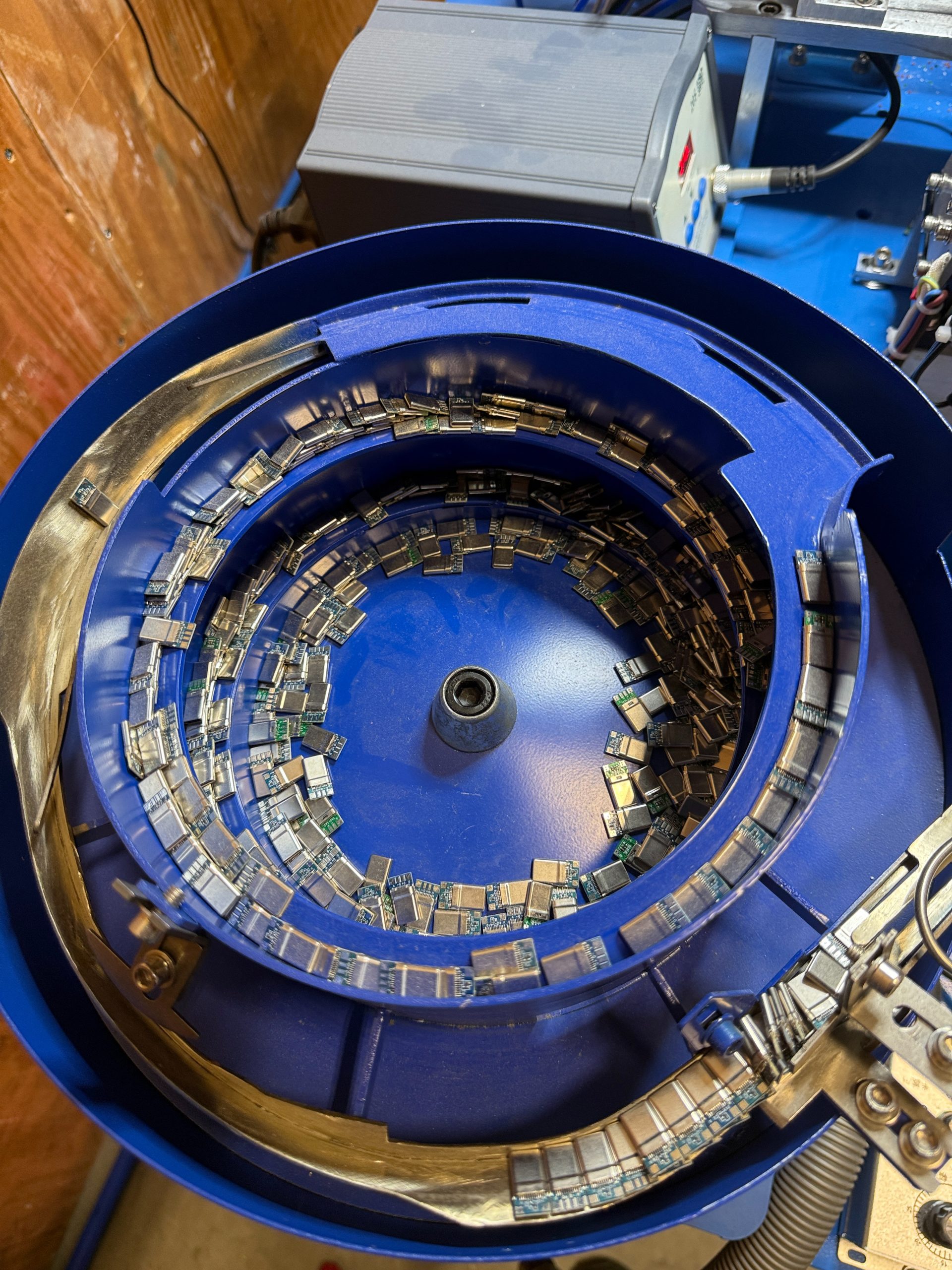
- Connector ends — the tips that plug into your devices.
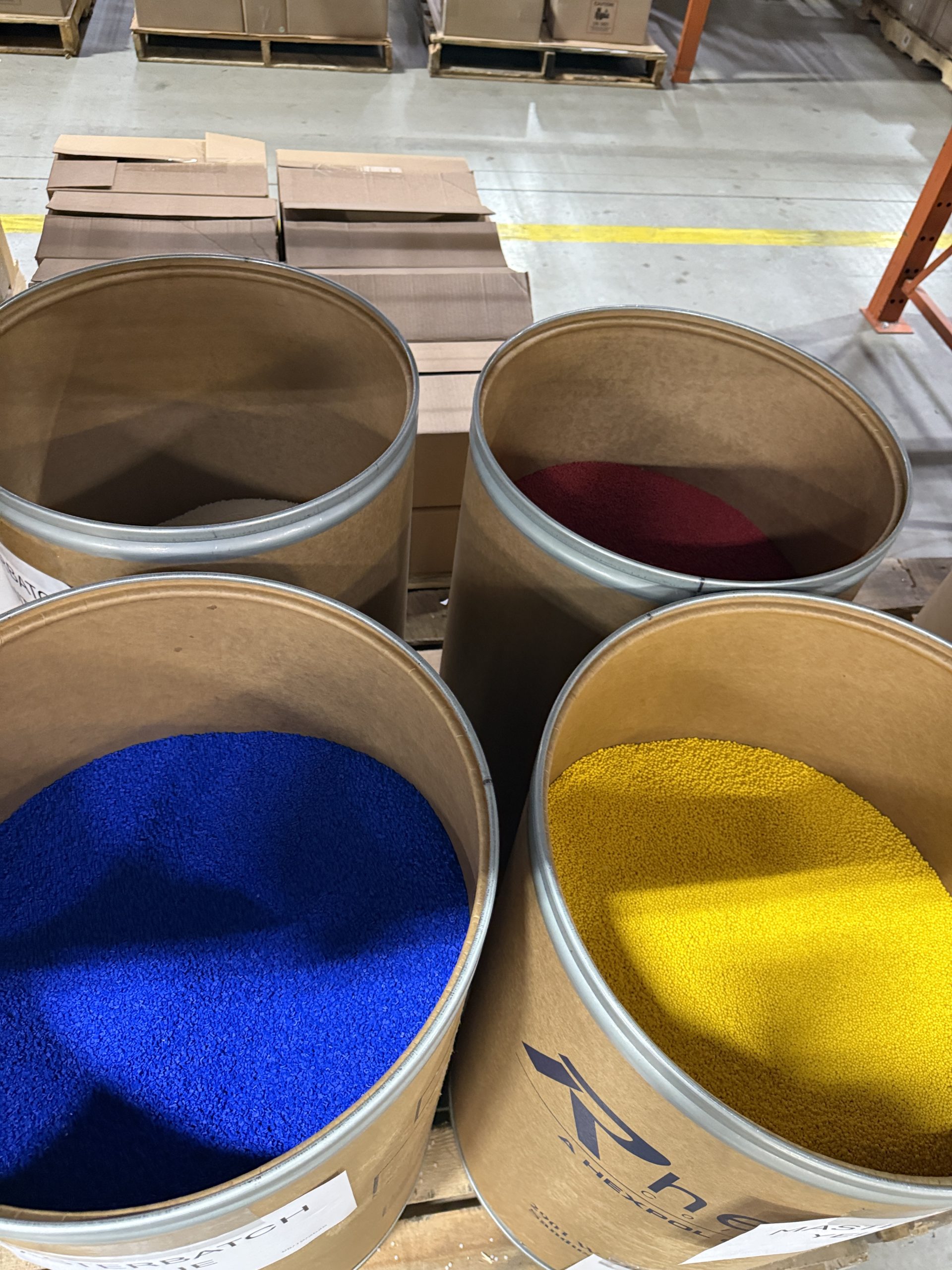
Plastic master batch — provides coloring
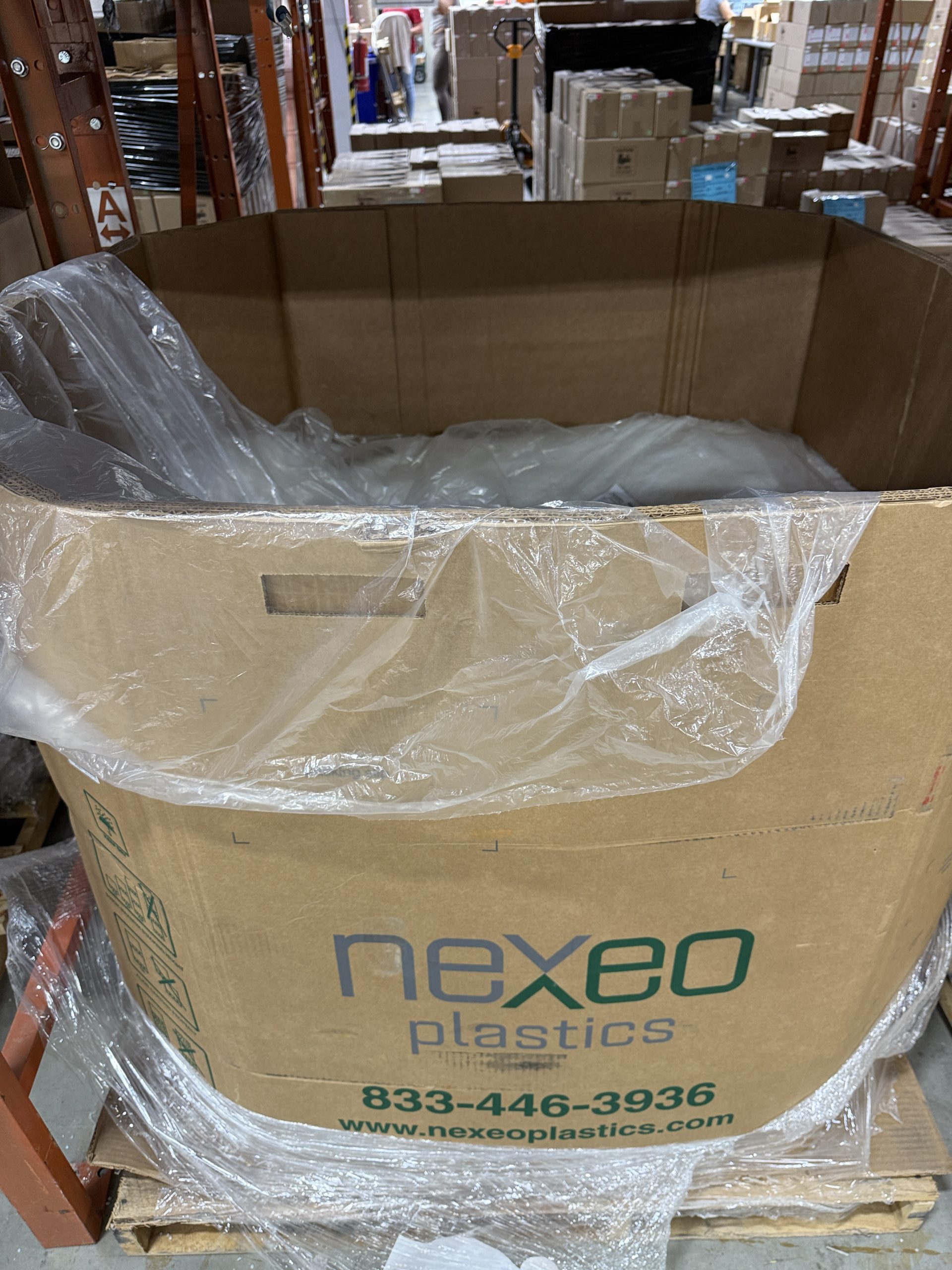
Inner jacket plastic beads
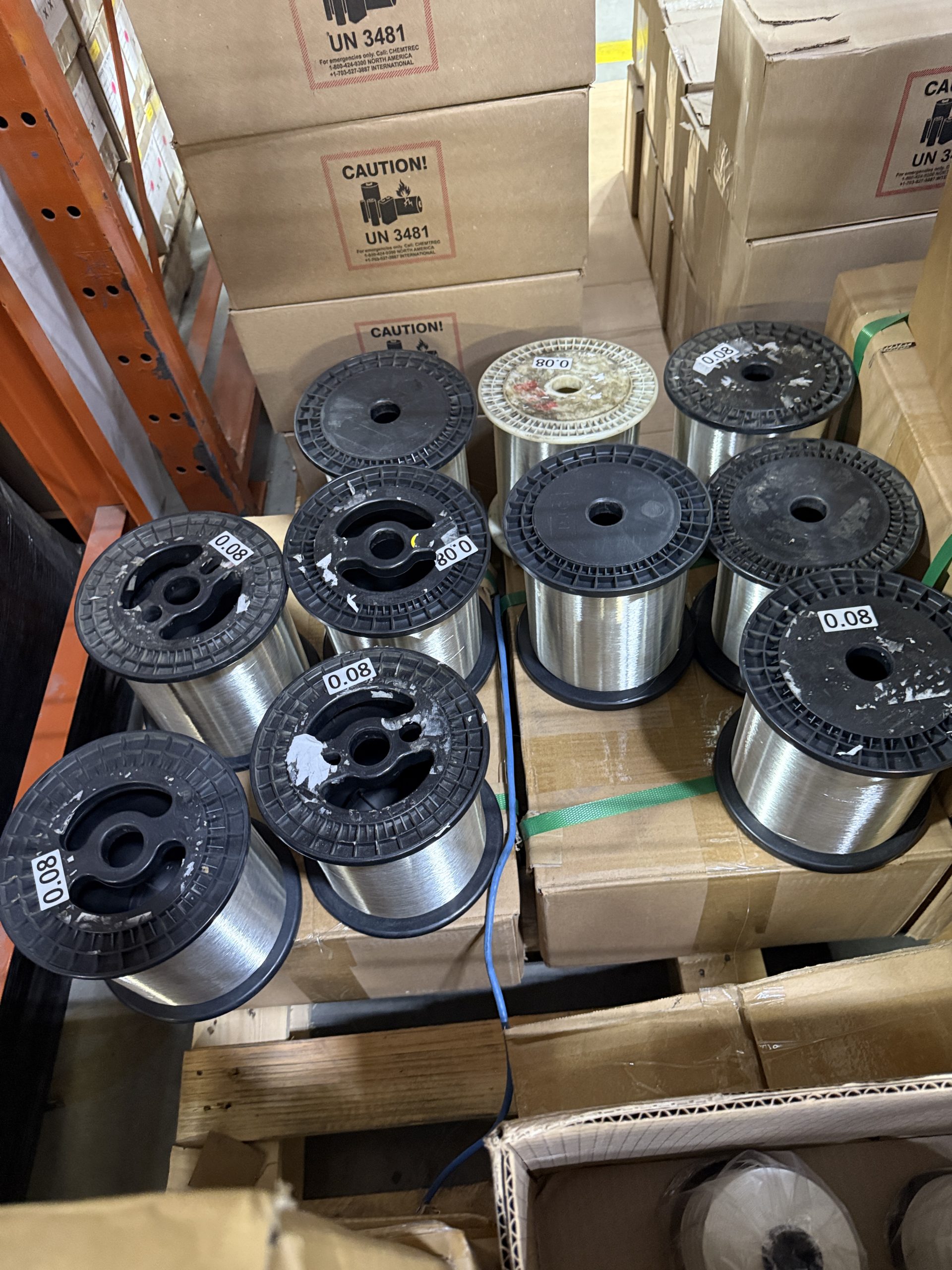
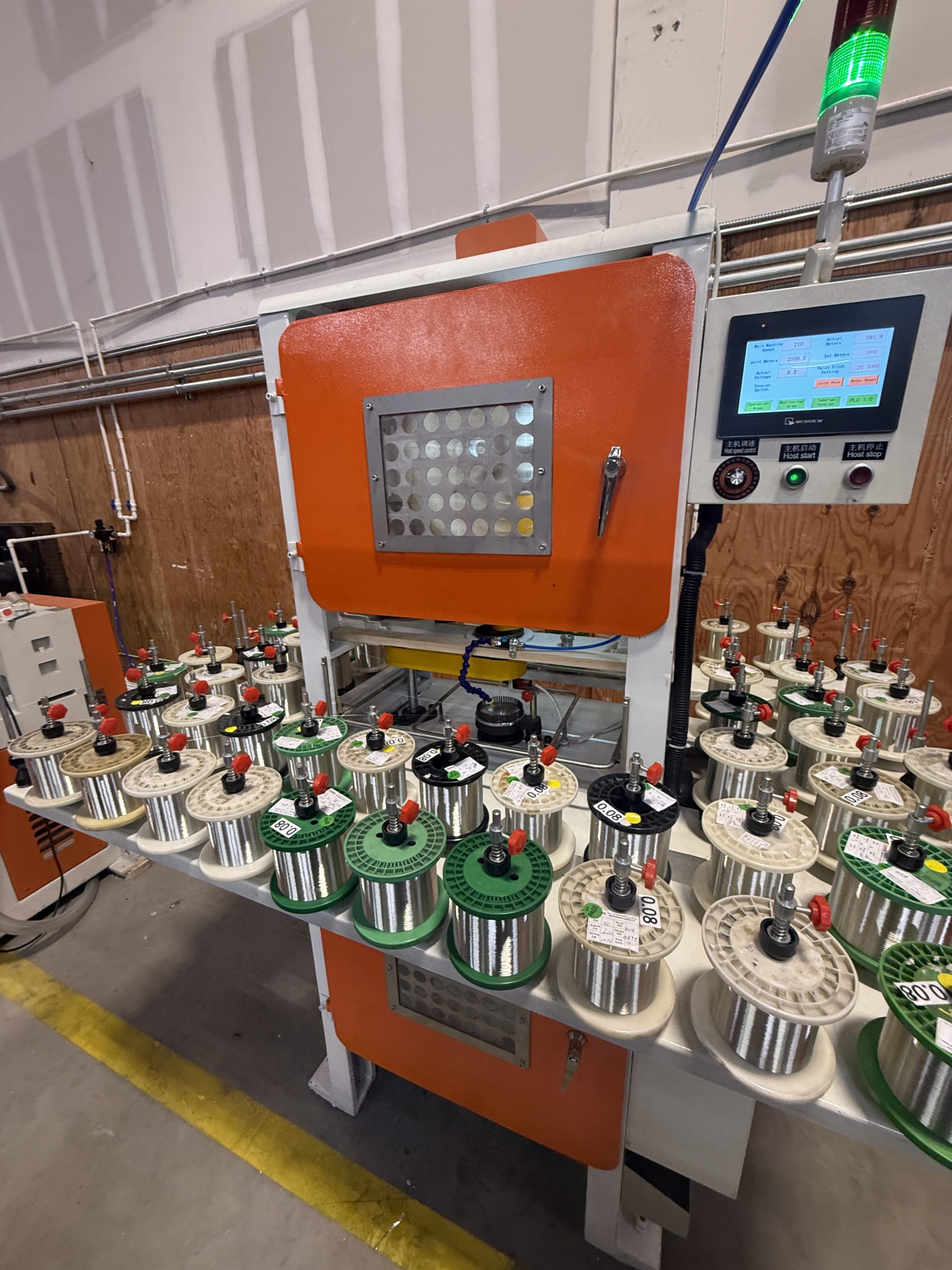
.08 Tinned Copper wire
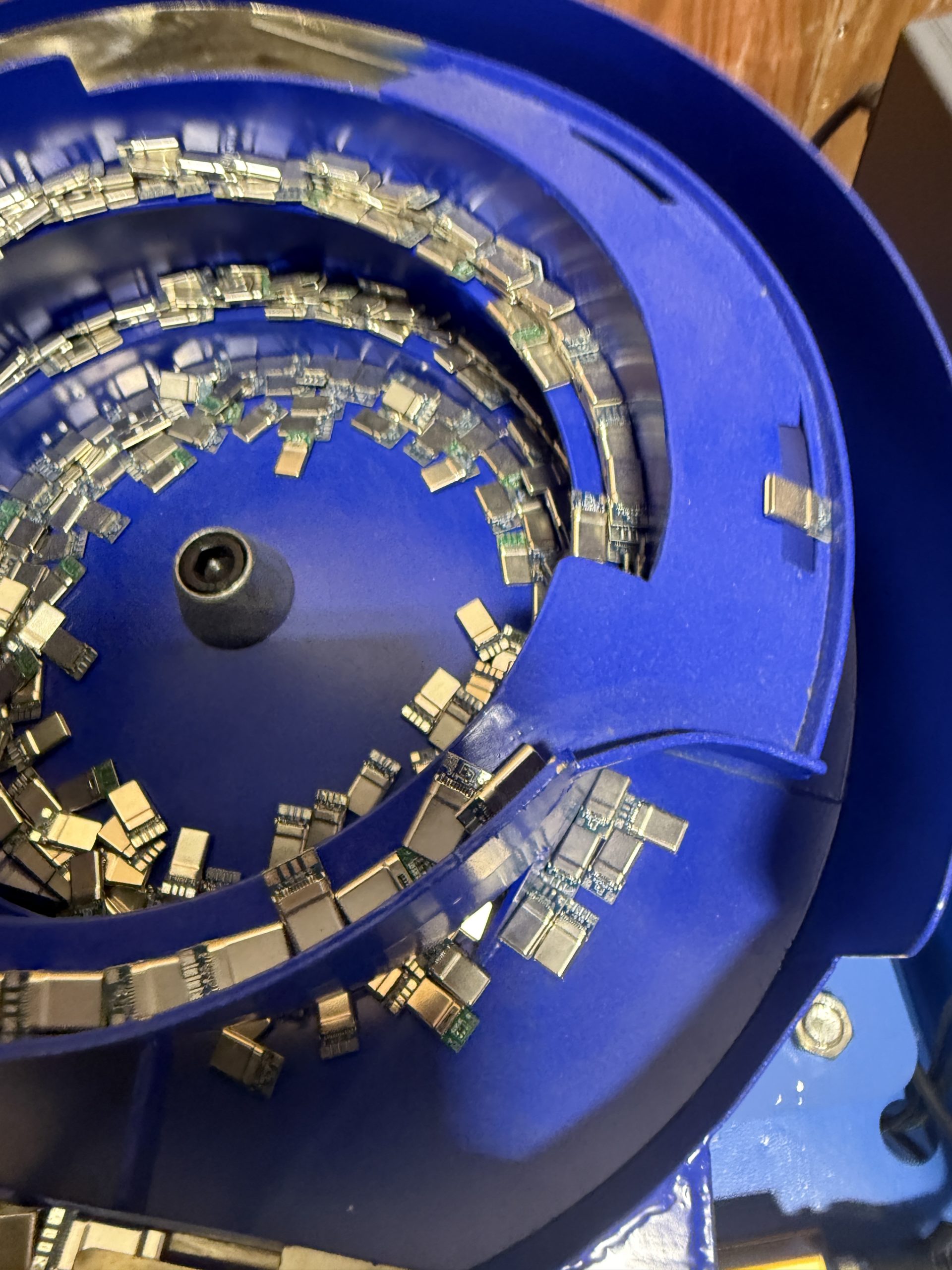
5-pin Type C connectors
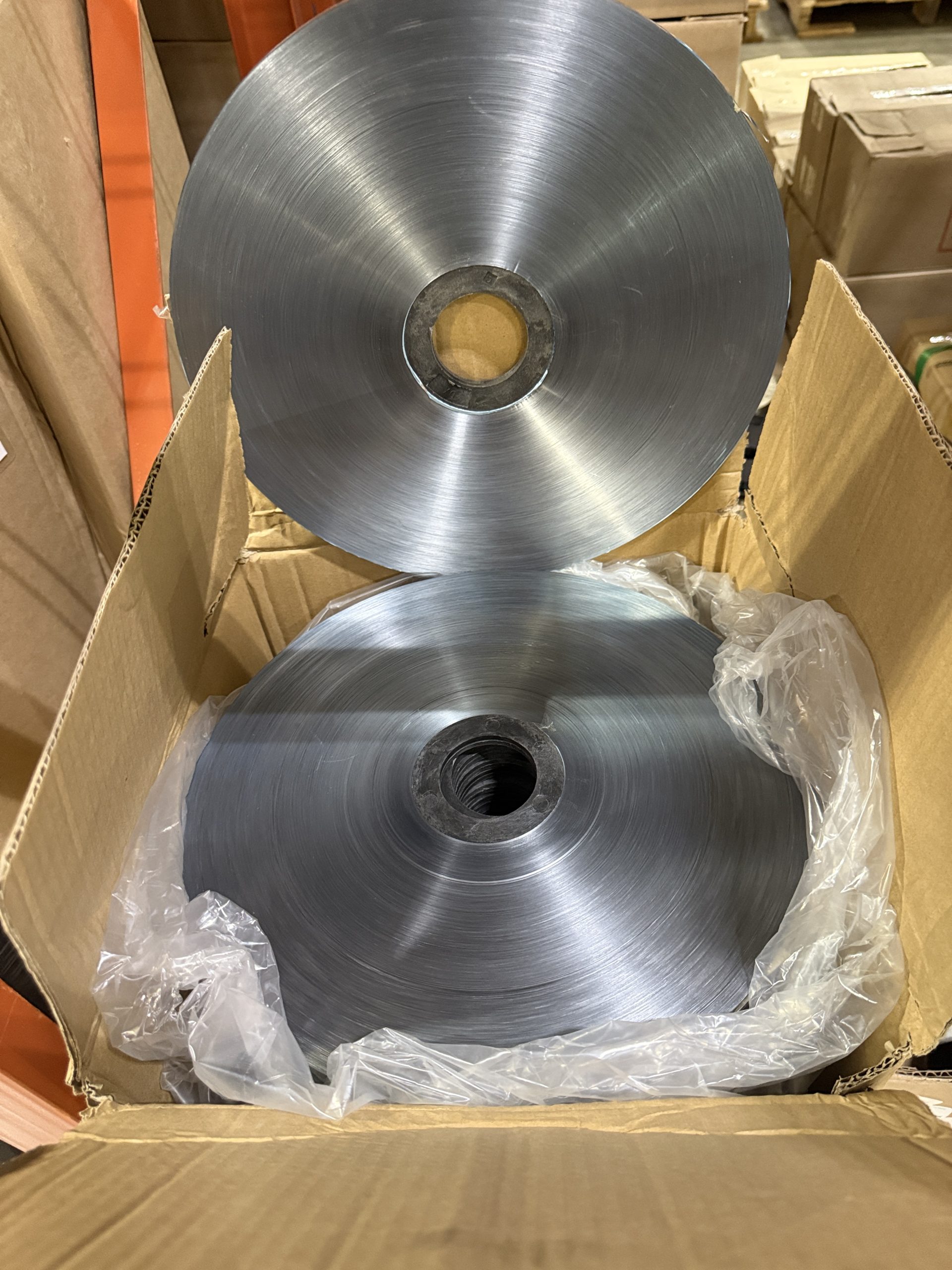
Mylar/Aluminum EMI/RFI shielding
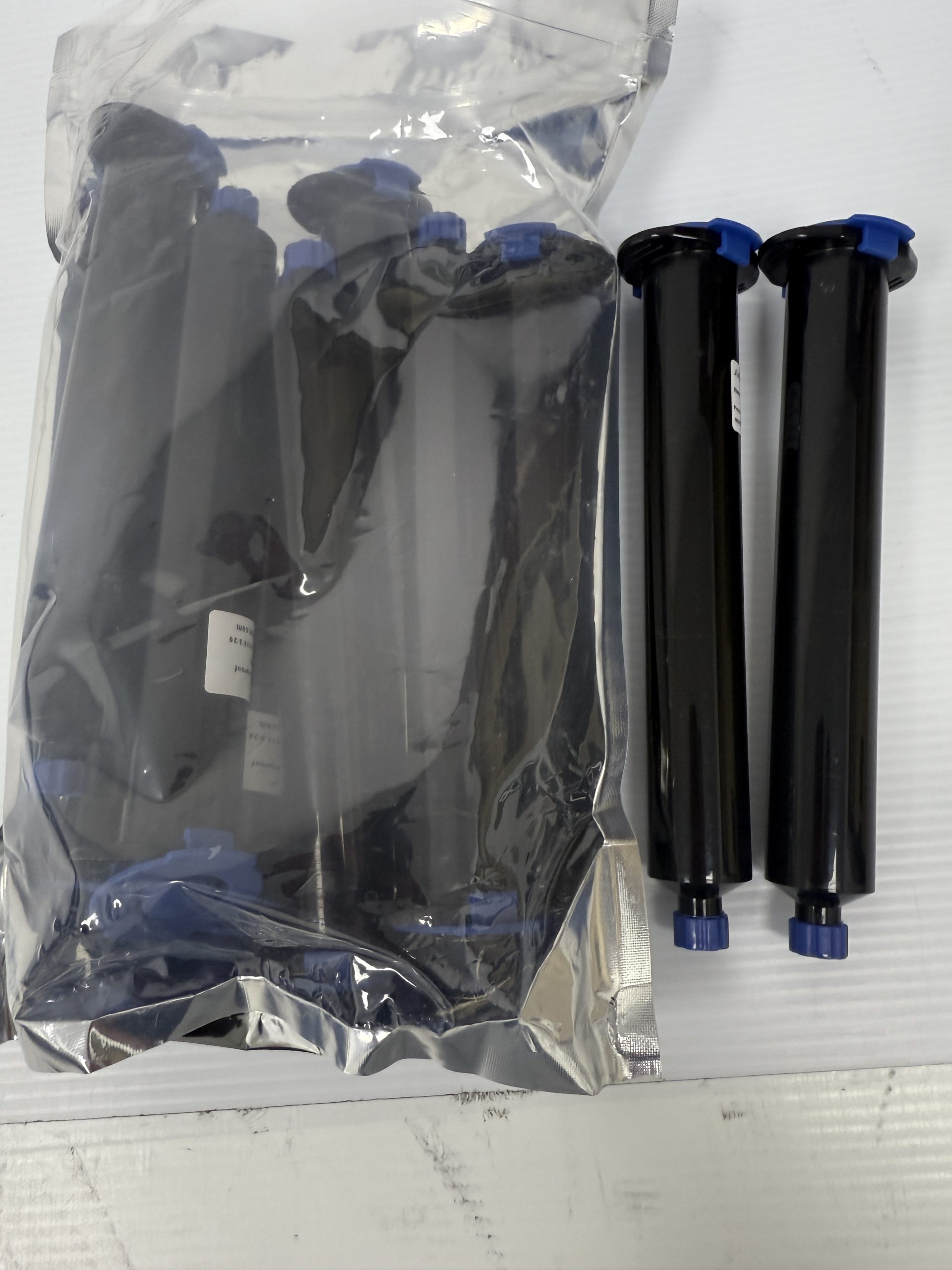
Connector potting adhesive
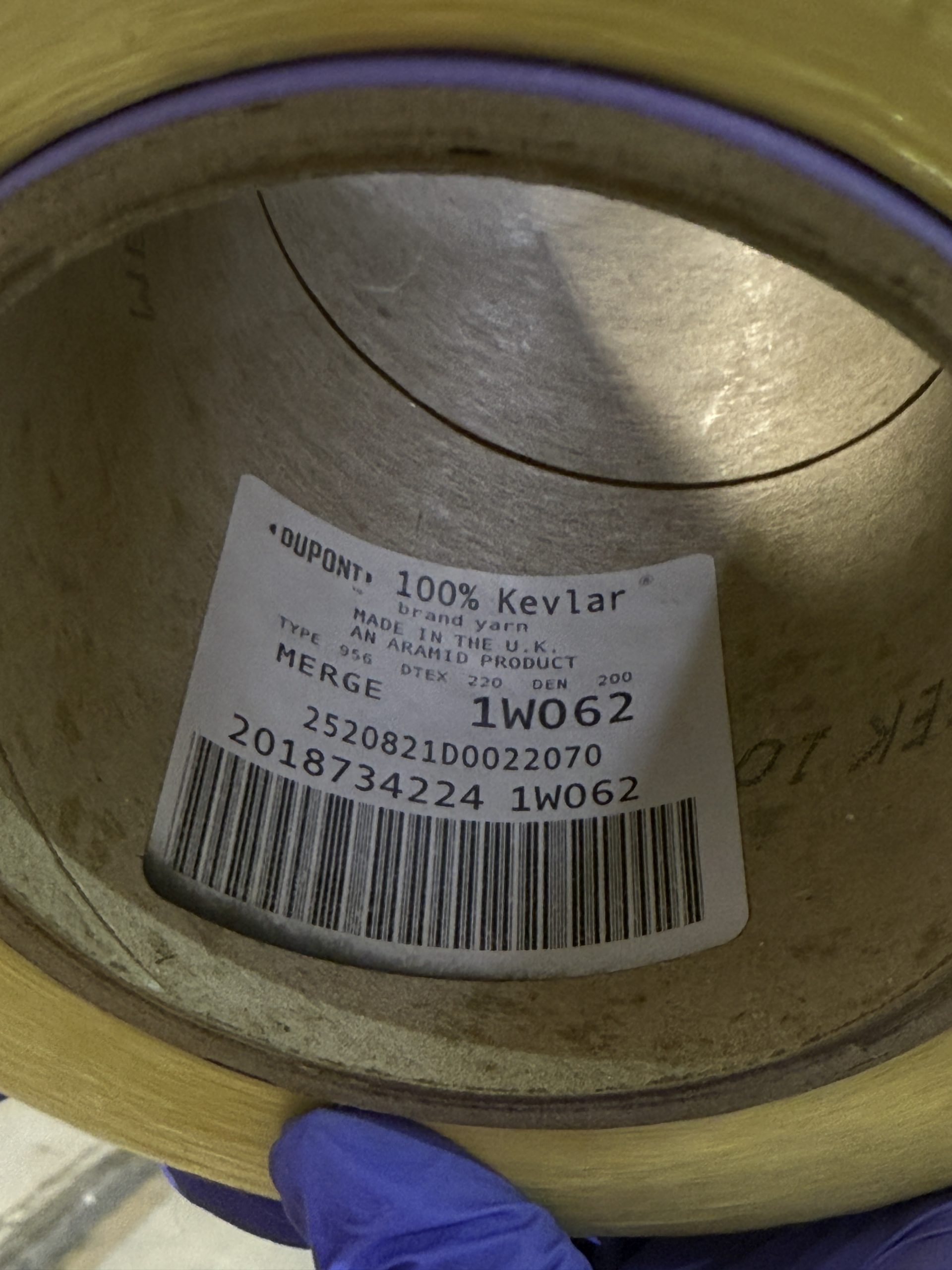
DuPont Kevlar thread
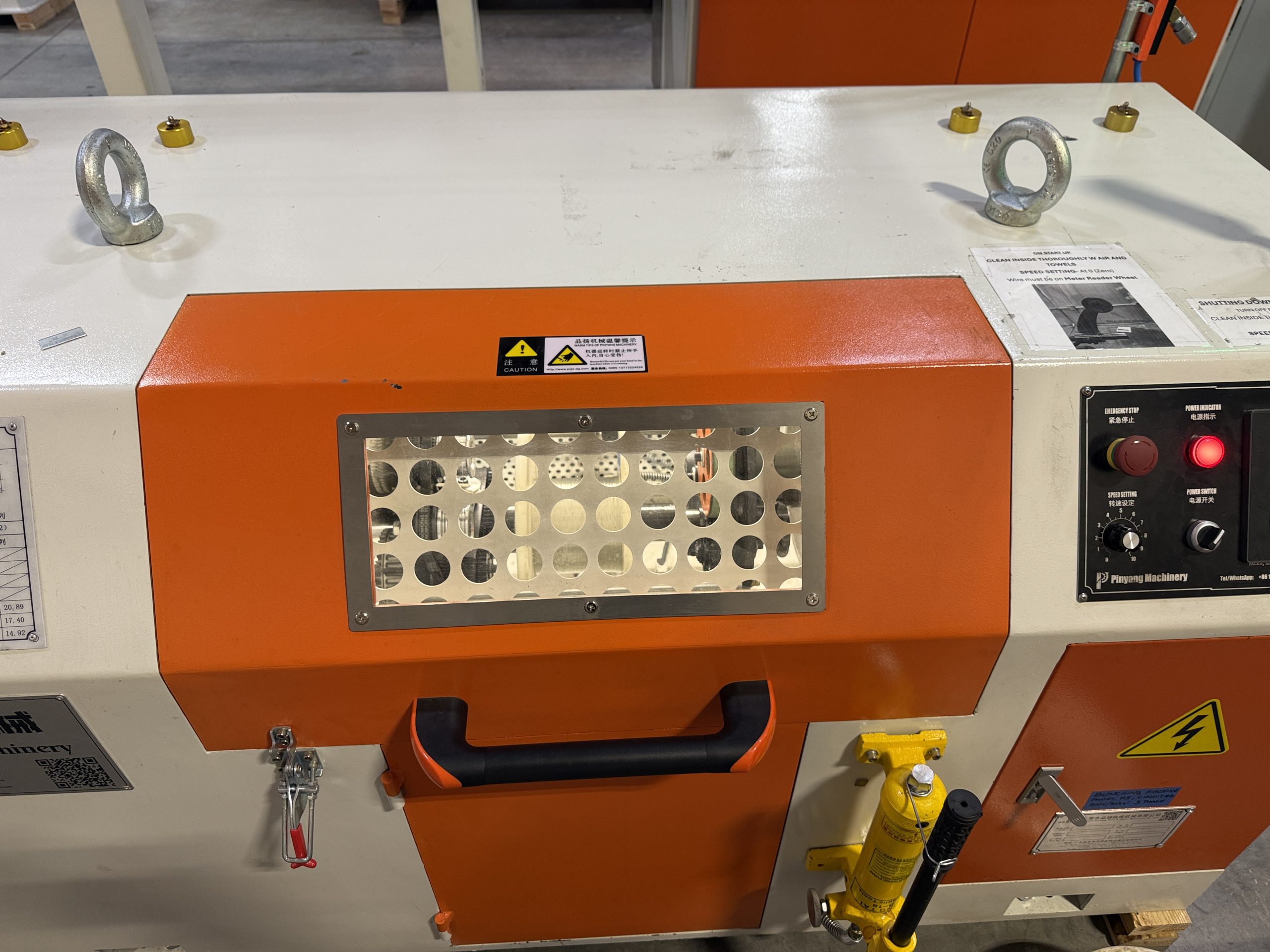
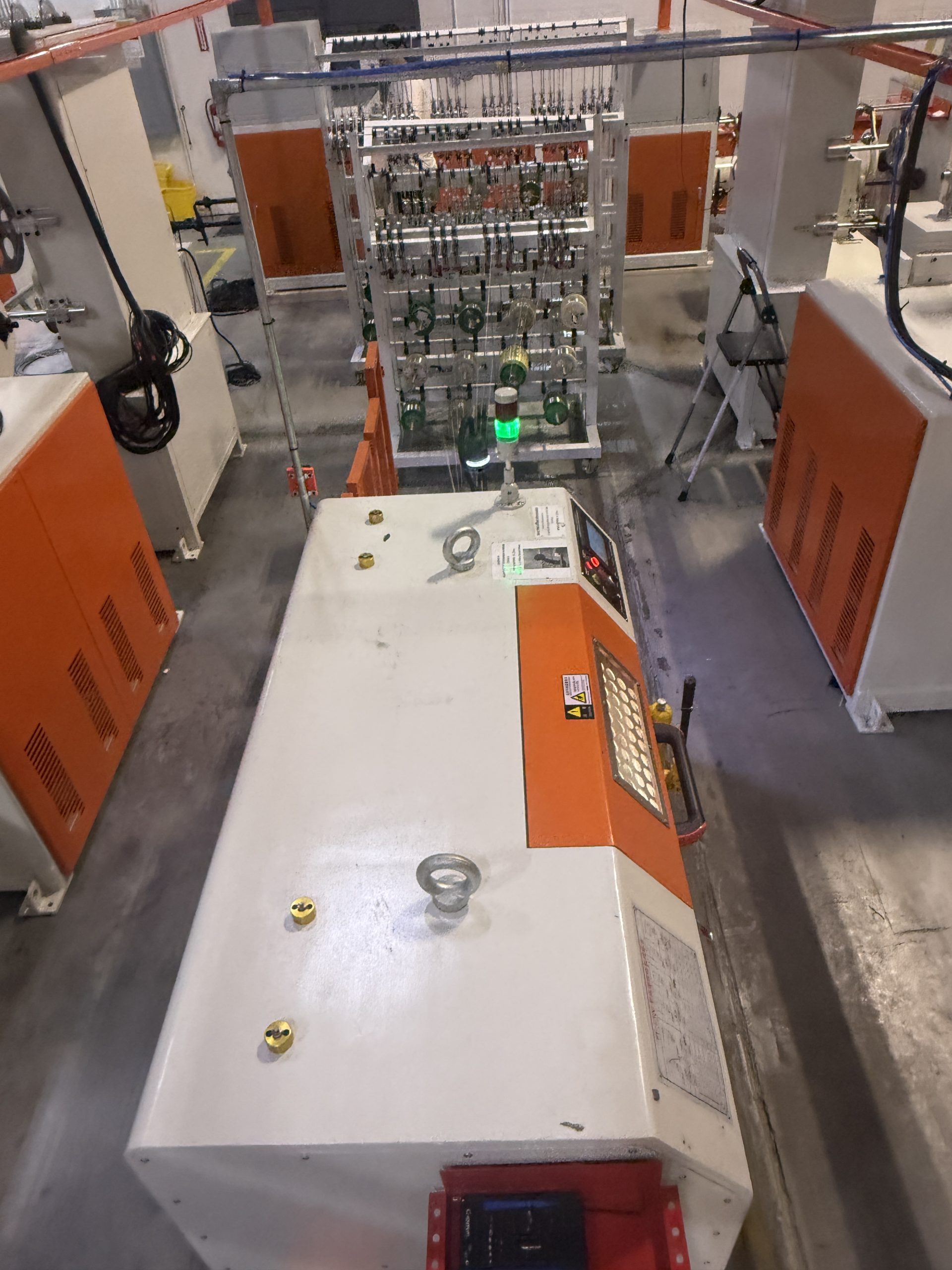
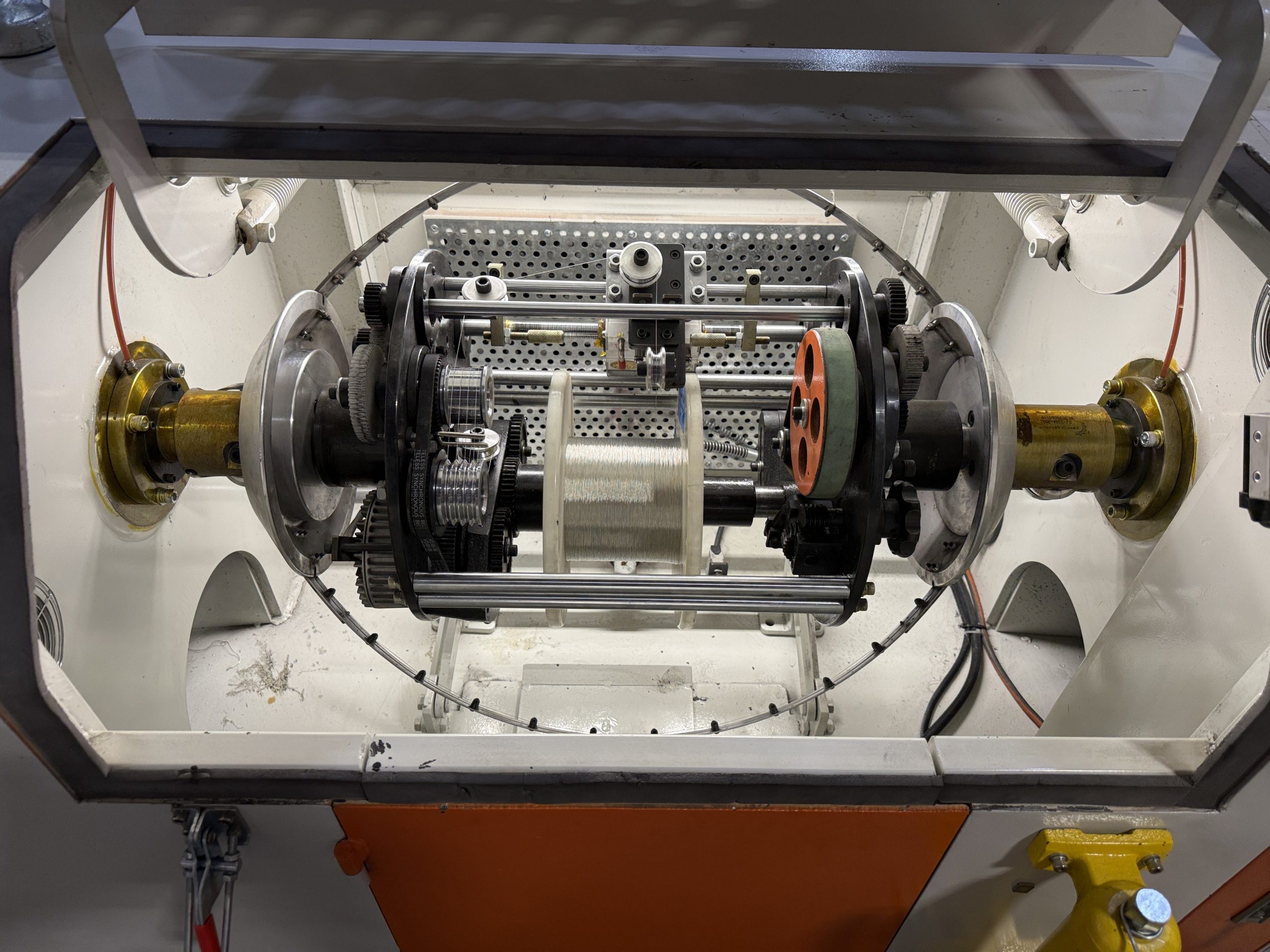
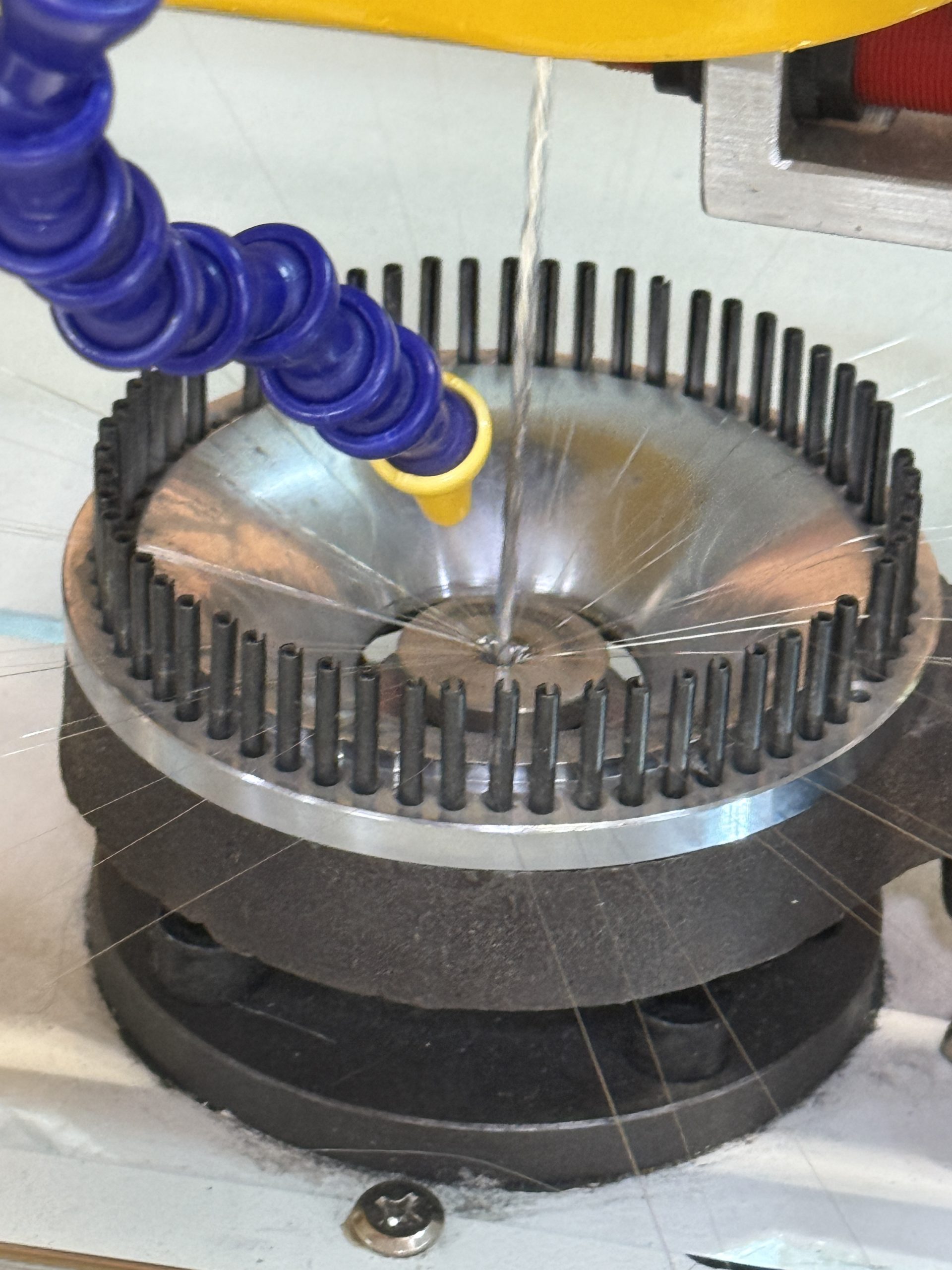
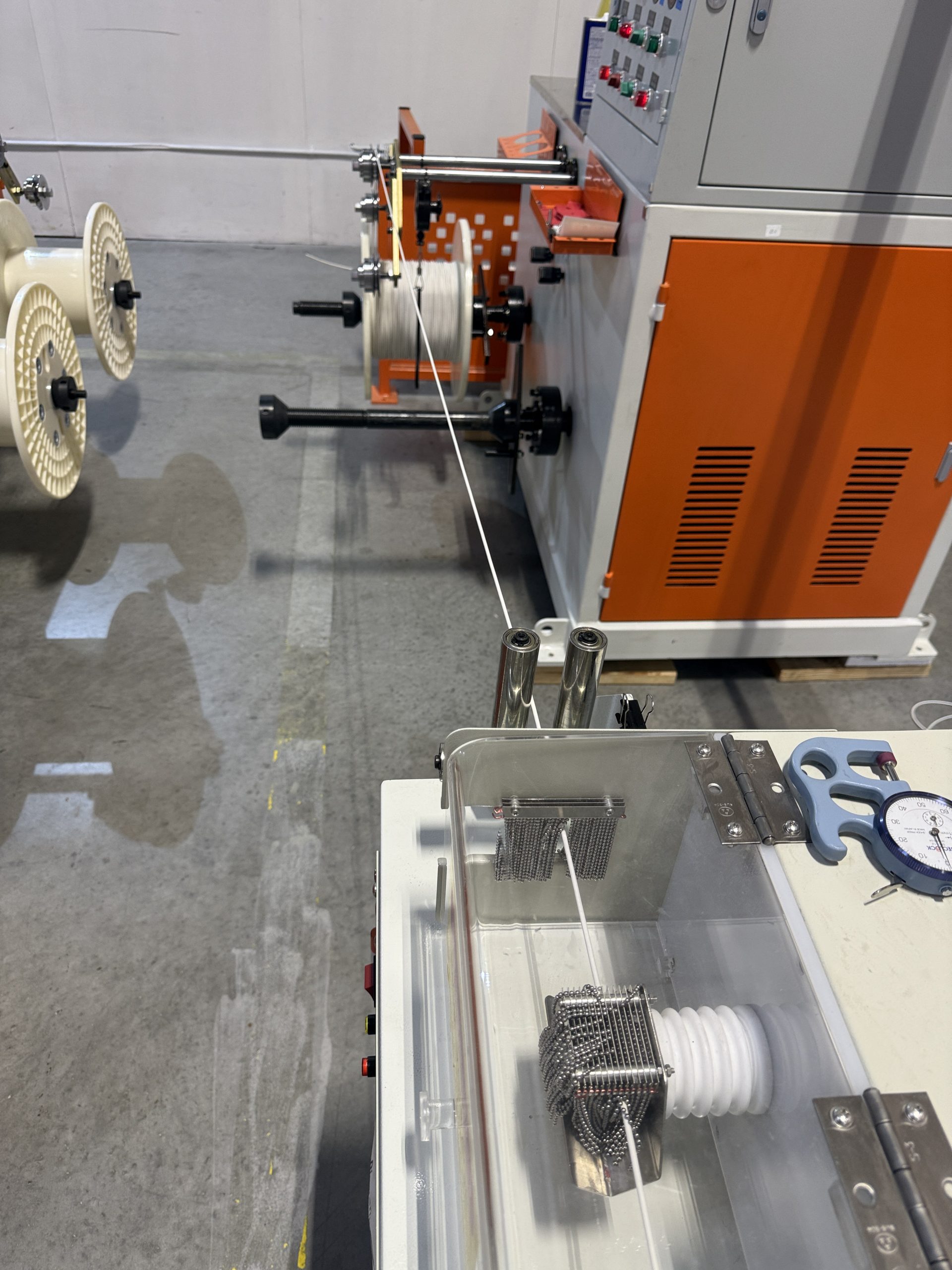
The first machine in the line is the bunching machine. Several individual copper wires are twisted together with Kevlar thread, combining the conductor and its strengthening material into one.
The result is a single stranded wire — strong, flexible, and ready for the next stage: extrusion.
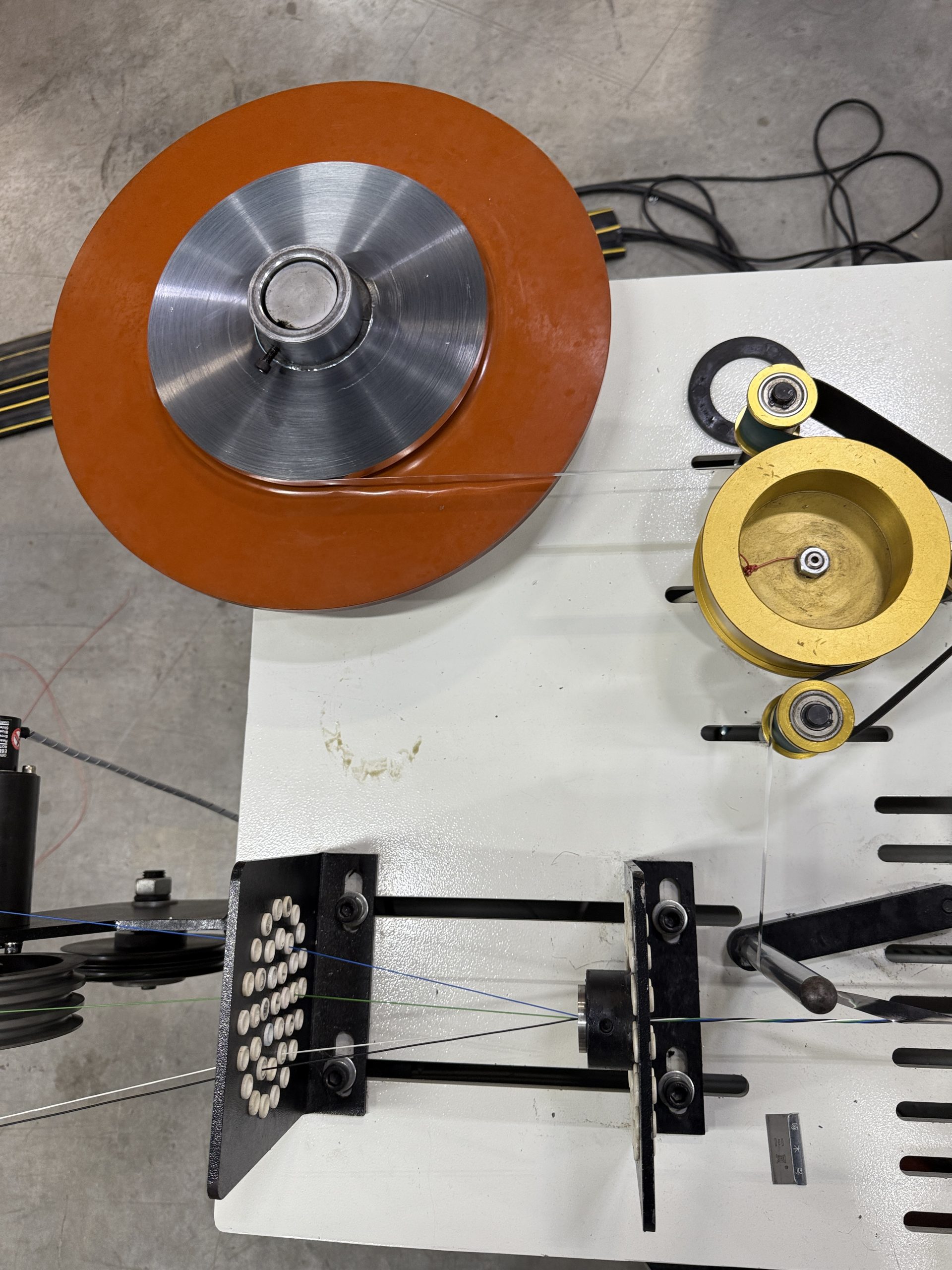
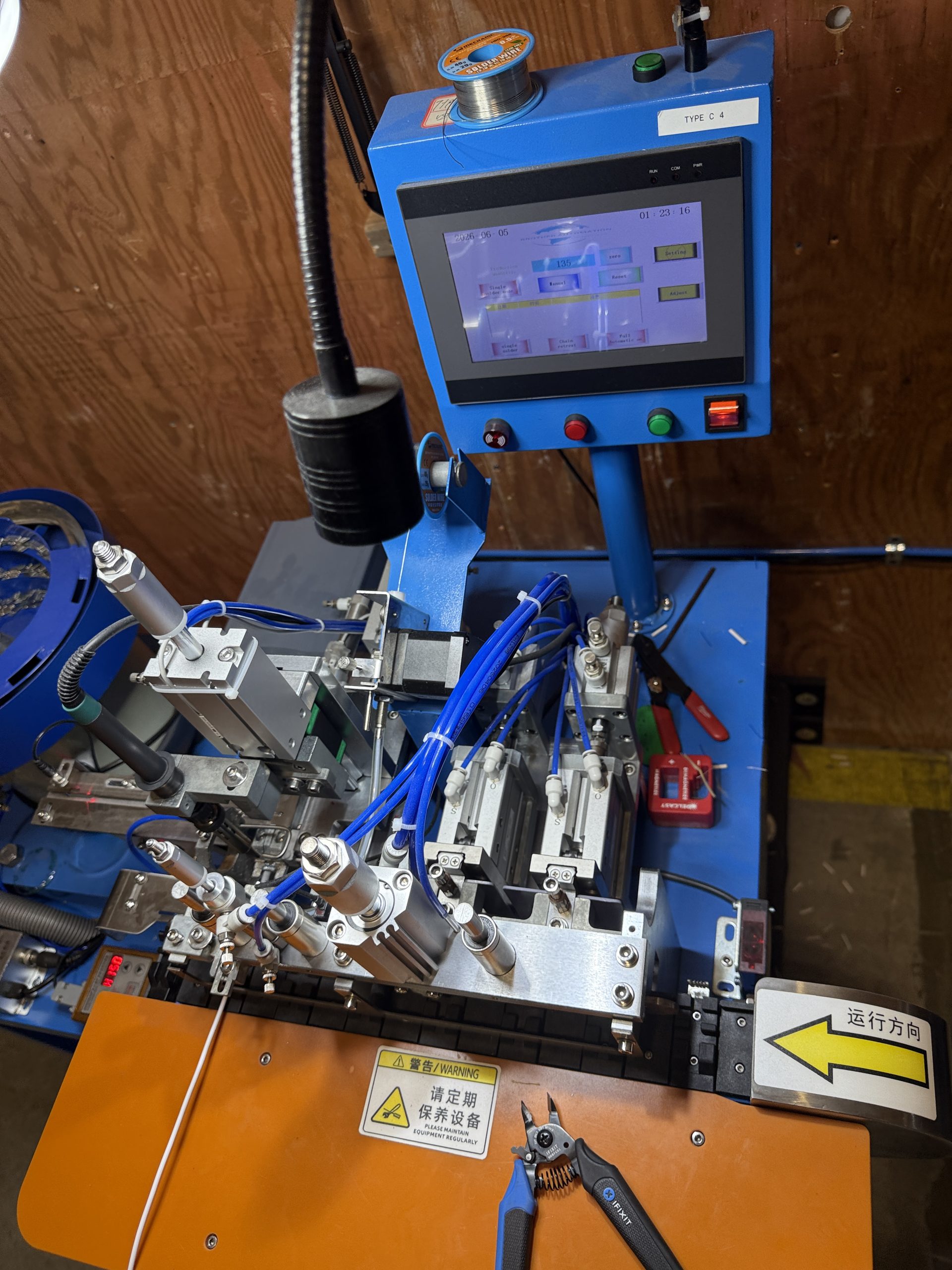
Single Tape Machine
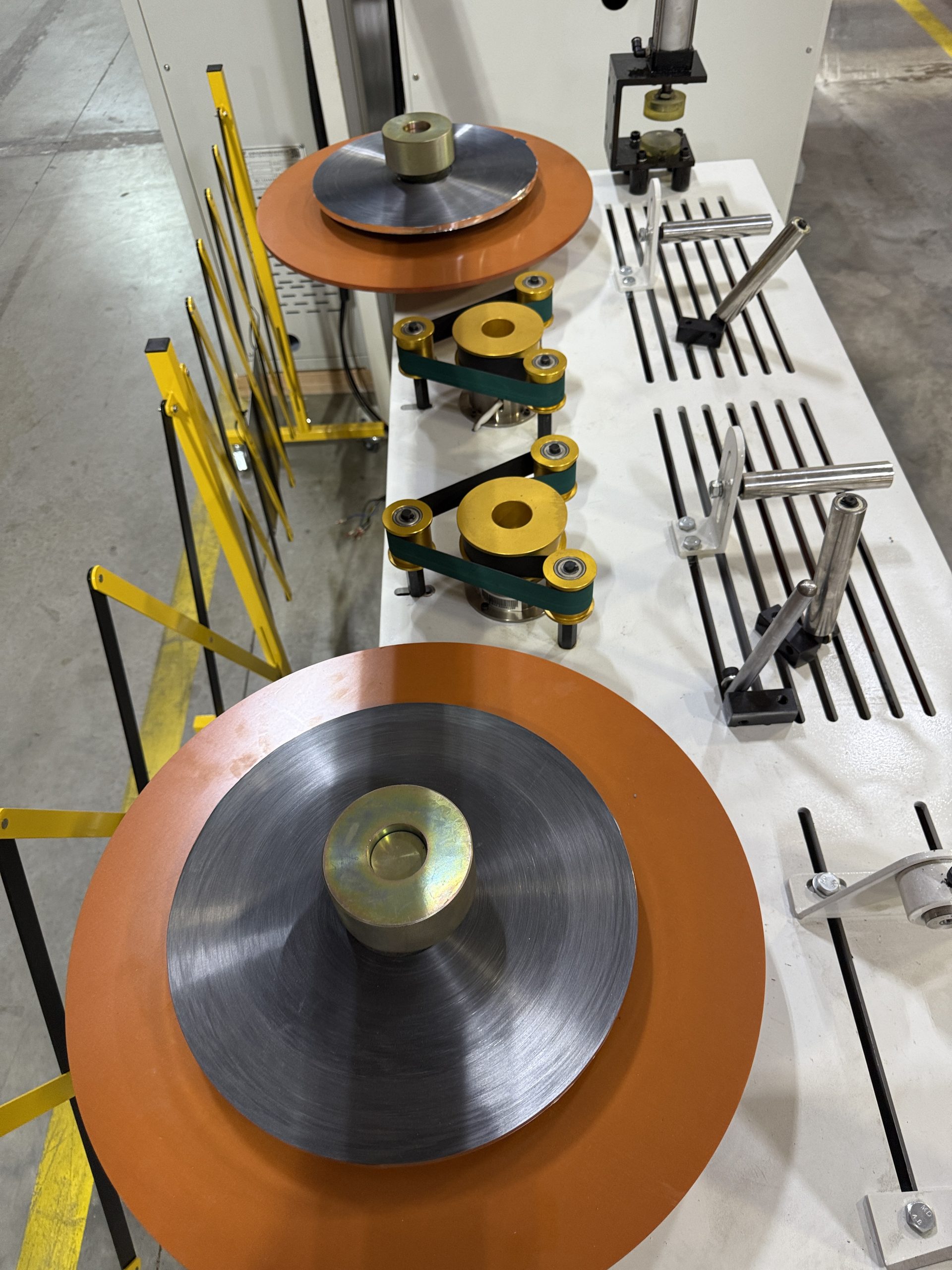
Dual Tape Machine (For Cat 5, Cat 6 LAN cable)
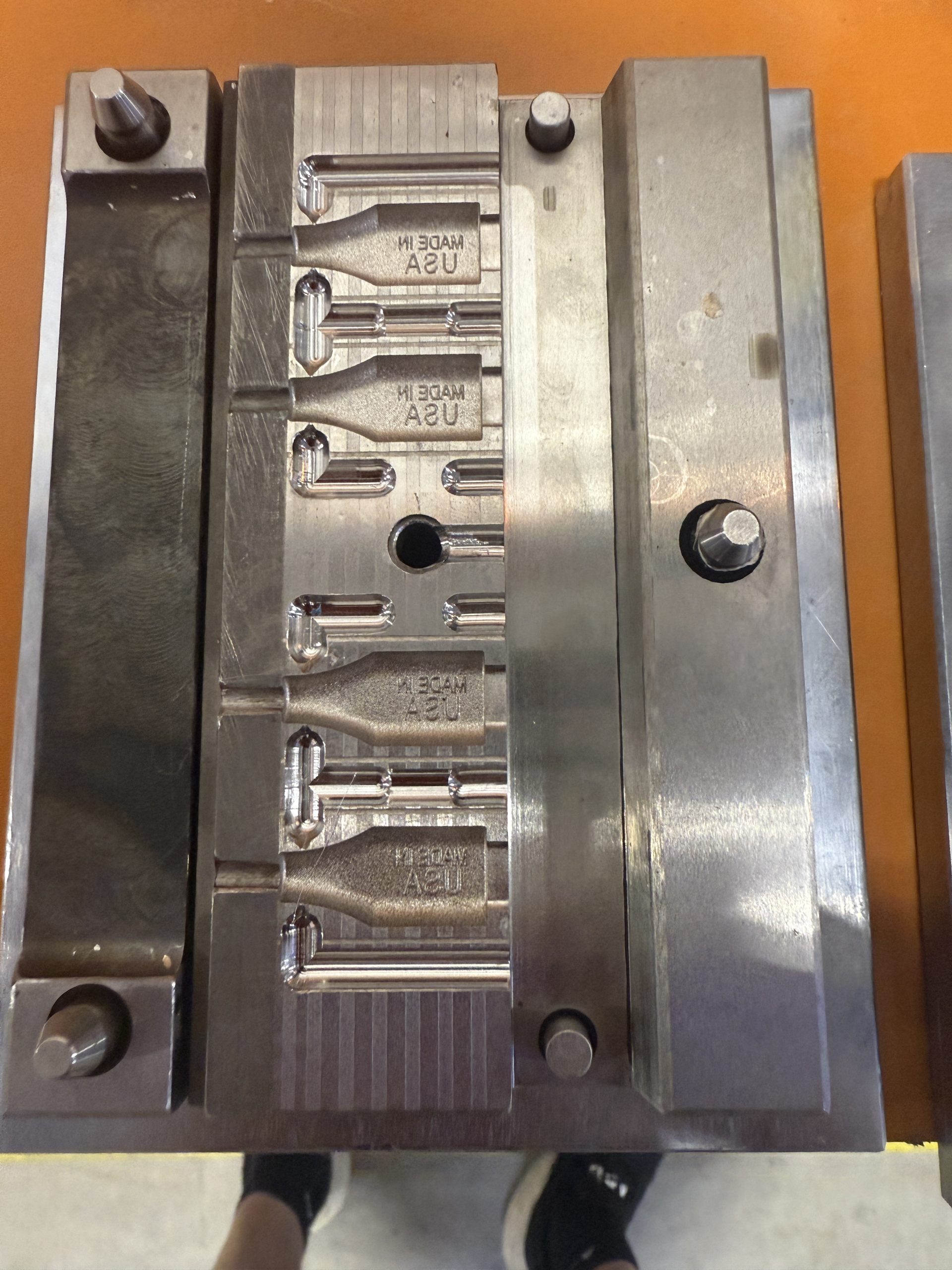
Stamping Molds
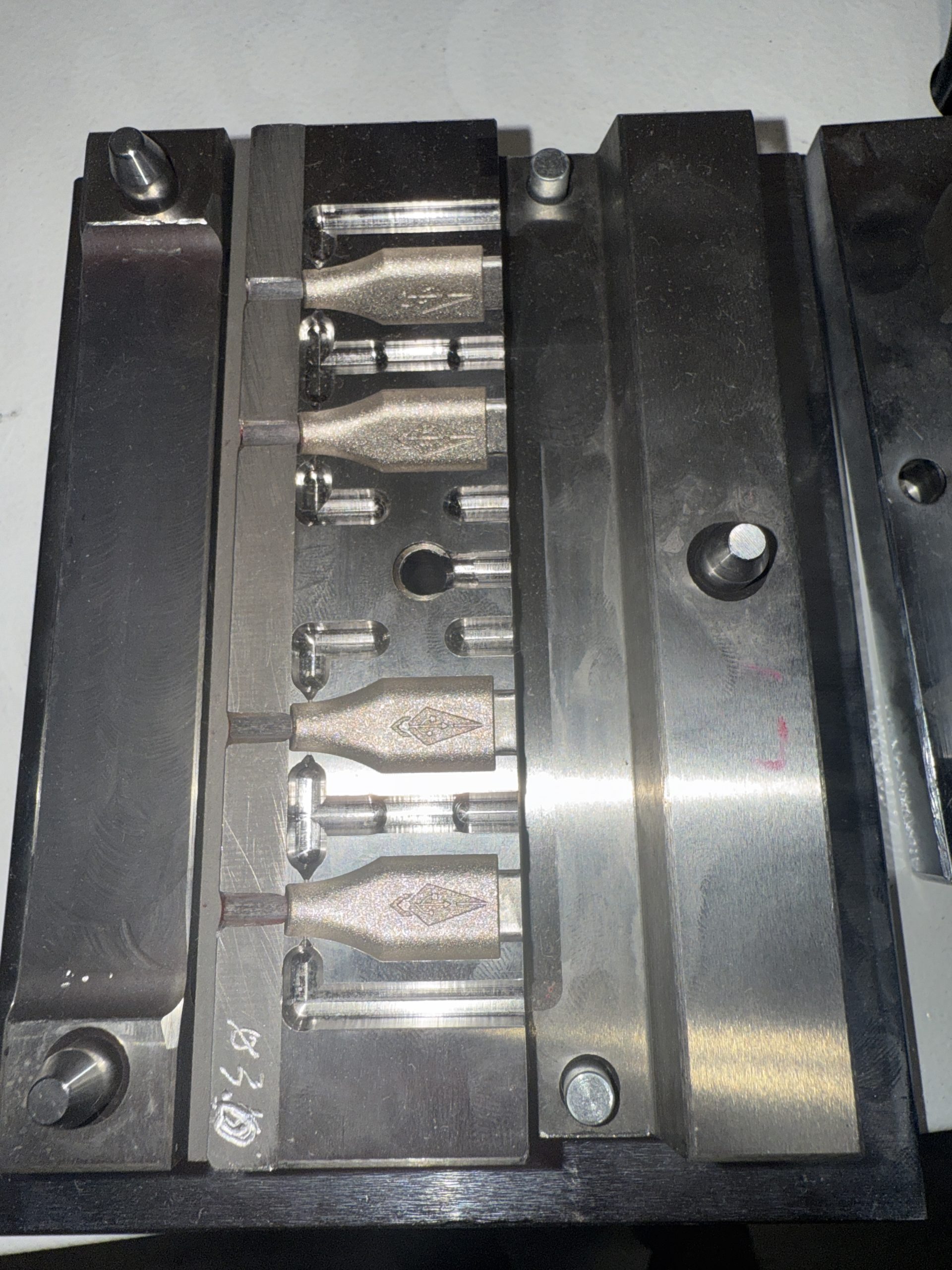
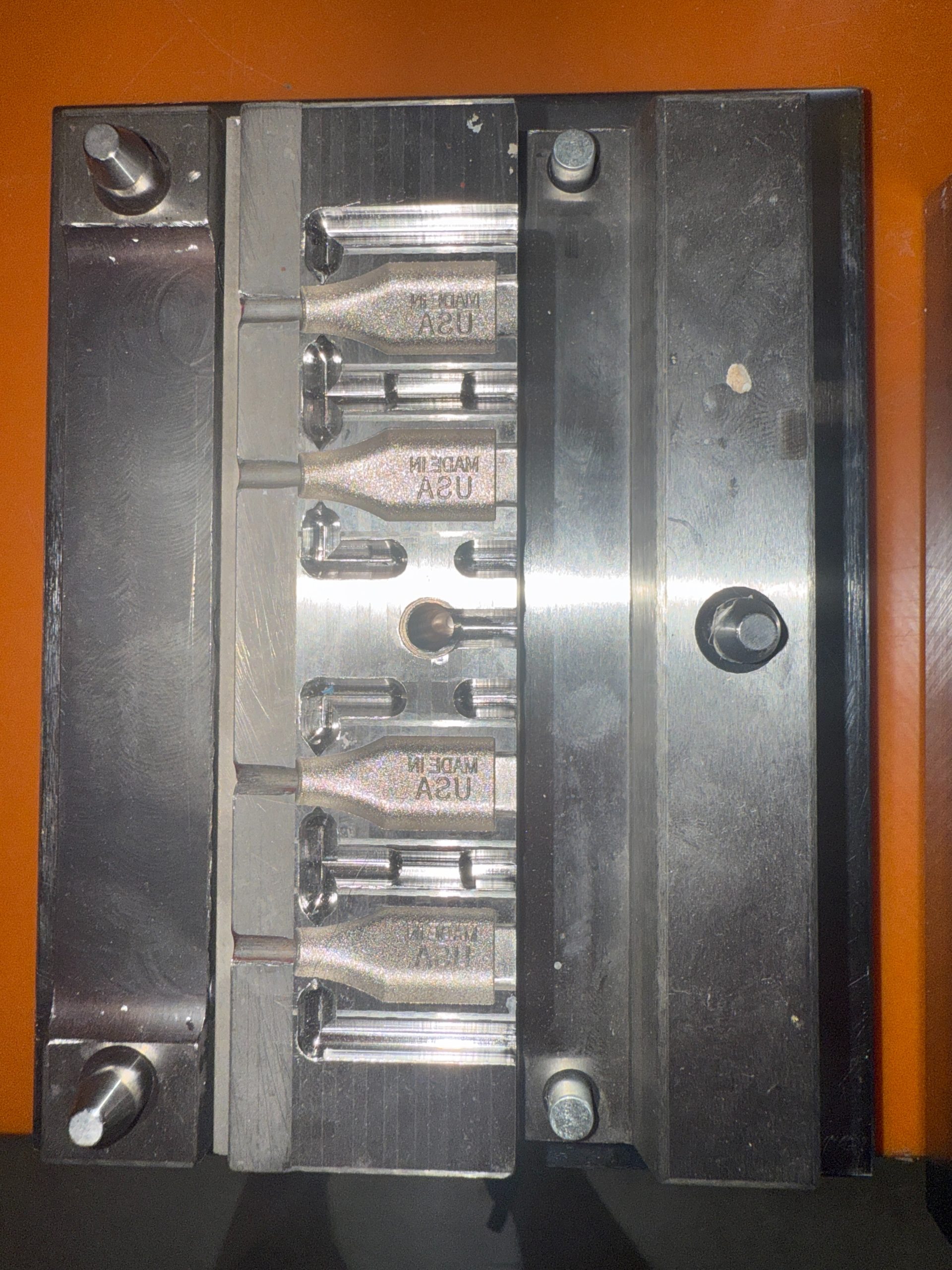
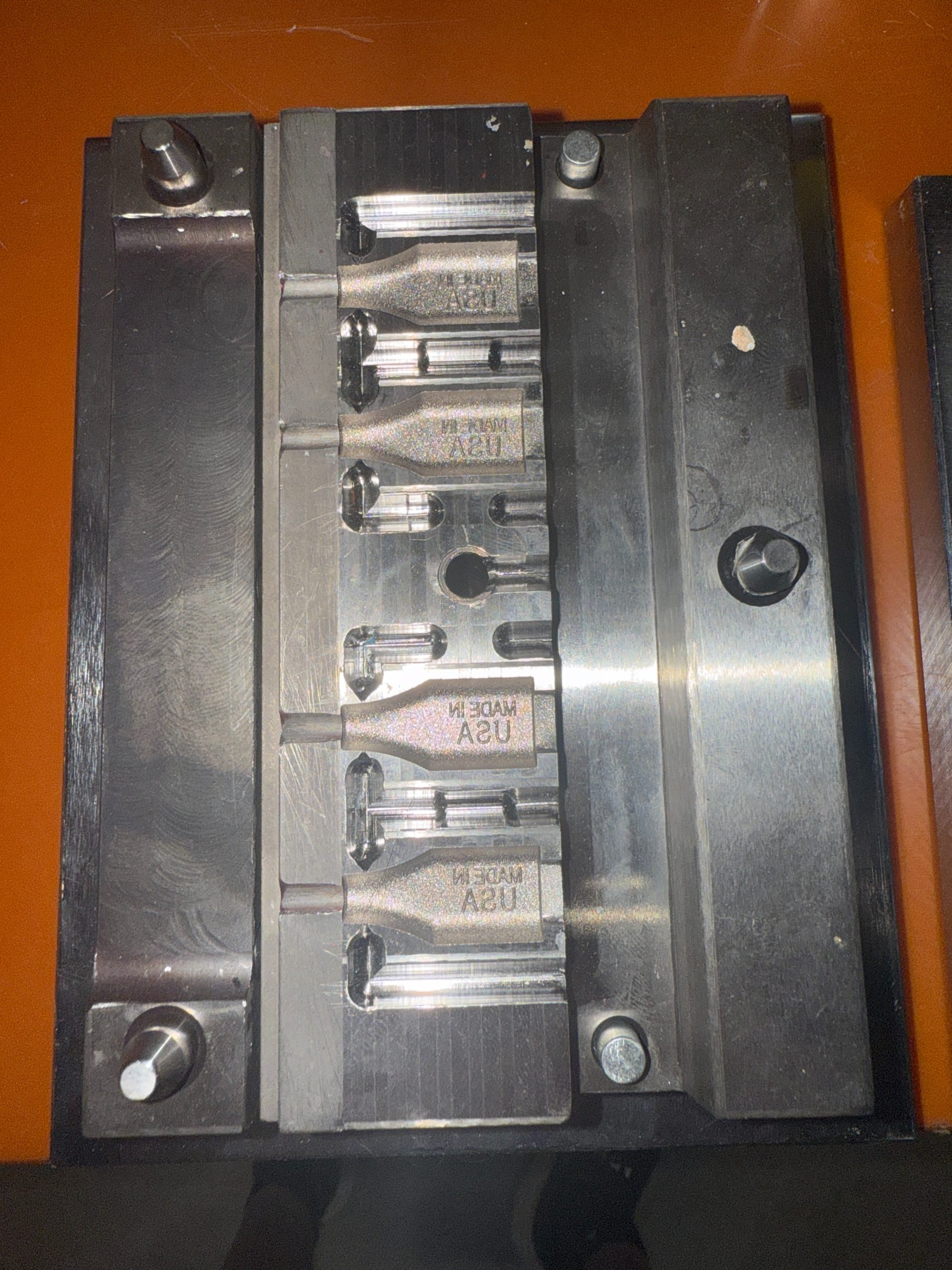
Stamping Machines